

Comparison Between Agile and Waterfall in 2025: Which Project Management Method Fits Best?
-
Home
-
Project Management
-
Comparison Between Agile and Waterfall in 2025: Which Project Management Method Fits Best?

Comparison Between Agile and Waterfall in 2025: Which Project Management Method Fits Best?
Compare Agile and Waterfall project management methods in 2025. Learn key differences, industry trends, tools, and how to choose the best fit for your career.

Table of Content
-
Introduction
-
AI and Automation Are Redefining Project Workflows
-
Remote and Hybrid Project Teams Are the New Normal
-
The Rise of Agile and Hybrid Methodologies
-
Data-Driven Decision Making is Non-Negotiable
-
Emotional Intelligence and Soft Skills Take Center Stage
-
Cybersecurity and Compliance Awareness are Essential
-
Lifelong Learning and Certification Will Fuel Career Growth
-
Why Take a Project Management Course in 2025?
-
Who Should Learn Project Management in 2025?
-
Final Thoughts: Future-Proof Your Career Today
-
Are You Ready to Take Charge of Your Career?
-
Frequently Asked Questions (FAQs)

The Evolving Landscape of Project Management in 2025
Project management has never been more critical than it is in 2025. As companies navigate global challenges, digital transformation, and shifting work models, project delivery approaches have become more diverse and flexible. At the core of these methods lie two of the most influential frameworks: the Agile and Waterfall methodologies.
While both approaches aim to deliver projects successfully, their philosophies, processes, and adaptability differ drastically. In 2025, businesses are increasingly choosing methodologies based on project type, industry norms, and available tools, making it essential for both aspiring and current project managers to master these approaches.
In today’s hybrid business world, understanding when to apply Agile and when to apply Waterfall can be the key to project success or failure. This comprehensive guide breaks down both methods to help you decide which one fits best for your future.
1. What Is Agile Project Management?
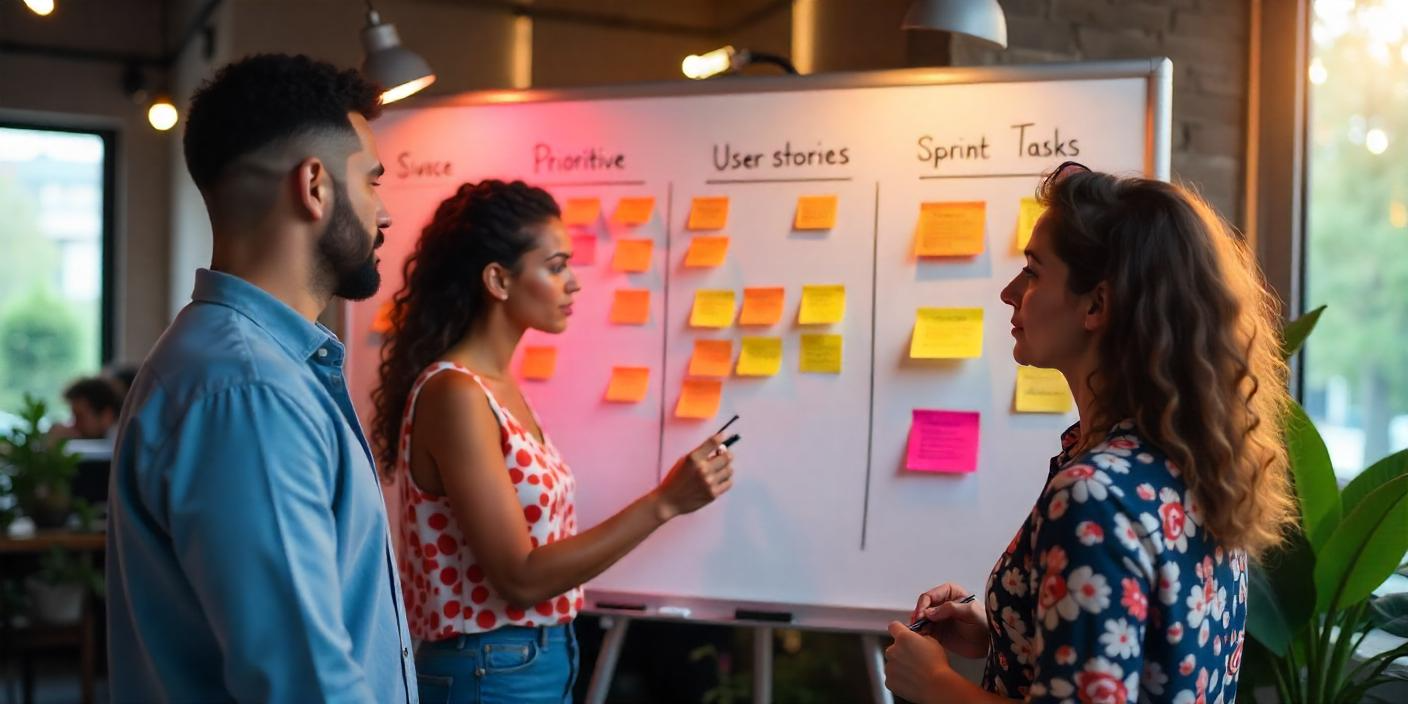
Agile is a flexible, iterative approach to project management that focuses on collaboration, customer feedback, and rapid releases. It emerged from the software development world but has now spread across industries like marketing, product design, and finance.
Core Principles of Agile:
- Continuous collaboration with stakeholders
- Short, iterative development cycles (sprints)
- Regular reflection and adaptation
- Working solutions over detailed documentation
Agile’s greatest strength is its adaptability to change. In 2025, when projects often shift due to evolving technologies and market needs, Agile helps teams stay responsive and resilient.
Agile frameworks include:
- Scrum
- Kanban
- SAFe (Scaled Agile Framework)
The Agile mindset empowers teams to deliver quickly and pivot effectively—a major advantage in high-velocity environments.

2. What Is Waterfall Project Management?
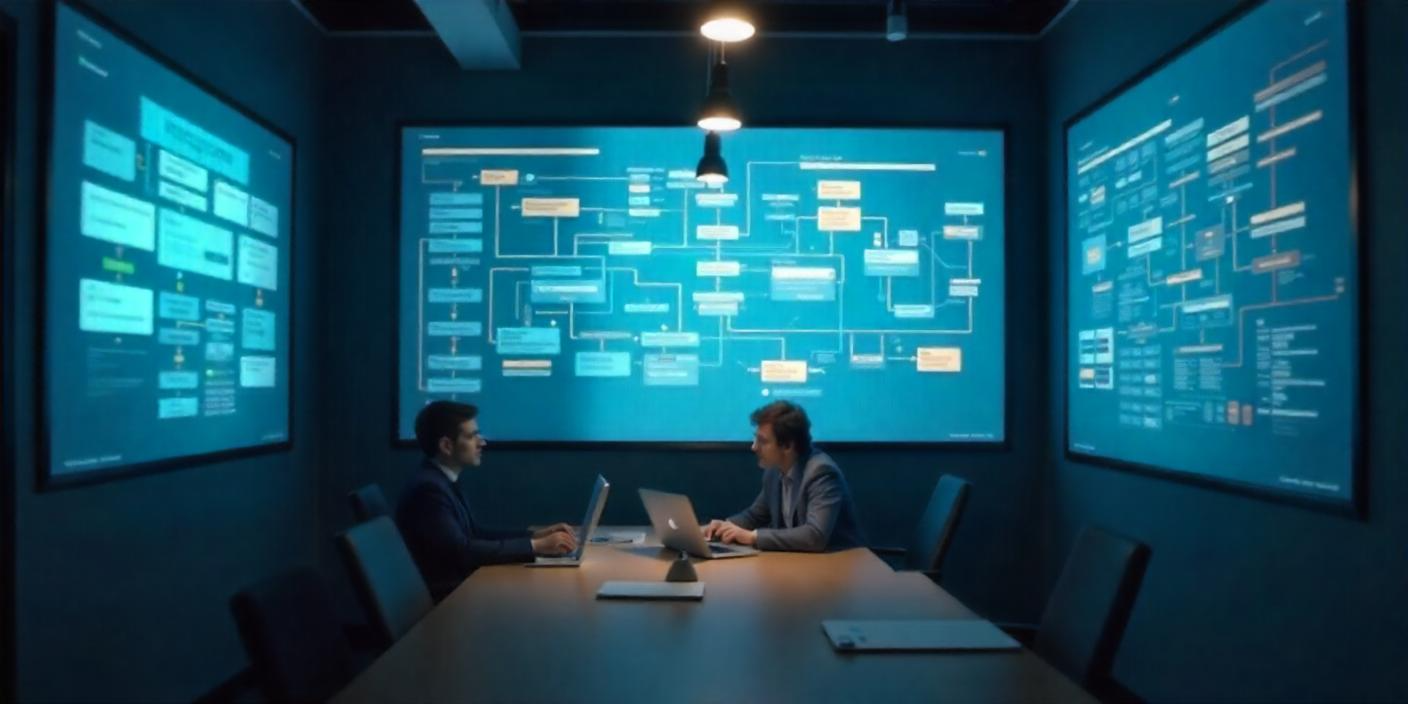
Waterfall is a linear, sequential methodology that emphasizes planning and structure. It’s one of the oldest and most widely used models, especially in industries where each phase must be completed before the next begins.
Core Phases of Waterfall:
- Requirement gathering
- Design
- Implementation
- Testing
- Deployment
- Maintenance
Waterfall works well in environments where project requirements are clear, fixed, and unlikely to change. Industries like construction, manufacturing, and public infrastructure projects often rely on this method due to its predictability and documentation standards.
In 2025, Waterfall remains relevant for projects where risk minimization, compliance, and step-by-step validation are crucial.

3. Key Differences Between Agile and Waterfall Methodologies

Here’s a detailed look at how these methodologies compare across essential project elements:
Factor | Agile | Waterfall |
Approach | Iterative and flexible | Sequential and structured |
Team Collaboration | Continuous, adaptive | Defined roles, less flexible |
Changes | Embraces change | Resistant to change |
Delivery | Incremental, throughout project | At the end of the cycle |
Documentation | Minimal, just enough | Heavy and detailed |
Testing | Continuous during development | After the build is complete |
Best For | Evolving requirements | Fixed requirements |
While Agile is all about speed and flexibility, Waterfall is ideal for projects that demand precision and control.
4. Use Cases: When Agile Works Best

Agile is best suited for projects where:
- Requirements are not fully defined at the start
- The client is closely involved throughout
- Continuous feedback and iteration are possible
- Rapid delivery is a priority
- Teams are cross-functional and collaborative
Ideal Scenarios:
- Software development
- Marketing campaigns
- Product design iterations
- Startup MVP launches
In 2025, Agile dominates tech, product innovation, and digital marketing, where the need to iterate quickly and gather user feedback is paramount.

5. Use Cases: When Waterfall Is the Right Choice

Waterfall works best when:
- The scope and goals are clearly defined
- The client prefers structure and documentation
- Sequential progress is necessary
- Regulatory requirements demand thorough records
Ideal Scenarios:
- Construction projects
- Legal contracts or policy implementations
- Government or public sector initiatives
- Hardware manufacturing
For projects with predictable outcomes, Waterfall offers a tested, step-by-step pathway to success. In 2025, it will remain standard in infrastructure, healthcare equipment, and other safety-critical environments.

6. Tools Commonly Used in Agile vs. Waterfall Projects

Agile Tools:
- Jira – Sprint planning and tracking
- Trello – Visual boards for Agile workflows
- ClickUp – Flexible workspace with task dependencies
- Monday.com – Collaborative platform for Agile teams
Waterfall Tools:
- Microsoft Project – Gantt charts and task timelines
- Smartsheet – Project schedules with dependencies
- Wrike – Traditional project lifecycle tools
Knowing which tools complement which methodology will improve your execution speed and project visibility. Most modern platforms now offer hybrid features, so versatility is key.

7. Industry Preferences in 2025: Agile vs. Waterfall

Agile-Driven Industries:
- Software and IT
- Startups and innovation hubs
- Digital marketing
- Financial technology (FinTech)
Waterfall-Favored Industries:
- Construction and architecture
- Defense and aerospace
- Legal and compliance-heavy sectors
- Healthcare systems
Emerging Trend:
Hybrid Methodologies—many organizations in 2025 use a blend of both Agile and Waterfall (known as “Wagile”) to get the best of both worlds. Project managers must learn how to adapt methods to project needs.

8. Career Opportunities in Agile and Waterfall Methodologies

Understanding both methodologies significantly broadens your job prospects in 2025. Here's how each path can shape your career:
Agile Roles:
- Scrum Master
- Agile Coach
- Product Owner
- Agile Project Manager
Waterfall Roles:
- Project Manager
- Program Manager
- PMO Analyst
- Risk & Compliance Officer
Both methodologies offer lucrative opportunities, but Agile roles are growing faster due to the expansion of tech startups and digital transformation projects.

9. How to Choose the Right Method for Your Project

Choosing Agile or Waterfall depends on several factors:
- Project complexity: Agile for complexity; Waterfall for simplicity
- Client involvement: Agile requires continuous feedback
- Budget and timeline flexibility: Agile is iterative; Waterfall is fixed
- Team structure and culture: Agile needs collaboration; Waterfall needs hierarchy
A successful project manager must evaluate these parameters and make context-driven decisions rather than rely on trends alone.

10. Enroll in a Project Management Course That Covers Both

To be job-ready in 2025, learning both Agile and Waterfall methodologies is no longer optional—it’s essential. The best project management courses will teach:
- Agile frameworks like Scrum and Kanban
- Waterfall lifecycle planning
- Tool usage (Trello, Jira, MS Project)
- Case studies and real-world applications
- Certification prep for PMP, Agile, and more
Choose a course that balances theory with practice, offers instructor support, and provides a certificate that enhances your resume. Try Bisjhintus [Link]

Your Roadmap to Project Management Mastery

In 2025, success in project management is no longer about choosing between Agile or Waterfall—it’s about mastering both. The ability to apply the right method in the right context is what defines high-performing professionals.
As businesses demand faster results and more accountability, project managers who can blend methodologies, lead hybrid teams, and adapt strategies will be in the highest demand.
Start by learning. Get certified. Gain hands-on experience. And most importantly, stay adaptable. The future belongs to the flexible, and project management is your gateway to becoming one.
Frequently Asked Questions

1. Is Agile better than Waterfall in 2025?
Not necessarily. It depends on the project. Agile is great for change-driven environments, while Waterfall suits structured and predictable projects.
2. Can I learn both Agile and Waterfall together?
Yes, many modern project management courses cover both. It makes you more versatile in the job market.
3. Do employers prefer Agile certifications now?
Agile certifications like Scrum Master are in demand, especially in tech roles, but PMP and PRINCE2 still carry weight in traditional sectors.
4. What if my project requires both methods?
That's where hybrid models (Wagile) come in. Many managers now mix elements from both to tailor the process to their needs.
5. Are Agile jobs only in tech companies?
No. Agile is used in marketing, healthcare, finance, and more—anywhere rapid delivery and feedback are valuable.
Written By
Critical Legal Writer Intern at BISJHINTUS, English Honours (Gold Medalist) / LL.B.

Designed By
UI/UX Designer at BISJHINTUS

Share this post:
Leave a comment
Your email address will not be published. Required fields are marked *
Write a Review
Related Posts

Learn how to become a successful project manager in 2025 with this complete step-by-step career guid...
Discover 7 must-know project management trends and skills for 2025. Stay ahead, lead smarter, and bo...
