

9 Reasons to Learn Business Automation
-
Home
-
Business Automation
-
9 Reasons to Learn Business Automation

9 Reasons to Learn Business Automation
Discover 9 powerful reasons to learn business automation in 2025. Upskill, save time, boost efficiency & future-proof your career with hands-on training.


Table of Content
-
Introduction
-
High Demand Across Industries
-
Automating Saves Time and Money
-
Competitive Edge in the Job Market
-
Accelerates Career Growth
-
Automation is the Backbone of Digital Transformation
-
Simplifies Complex Workflows
-
Easy to Learn, Easy to Implement
-
Future-Proof Your Business or Freelance Career
-
Great ROI from Learning a High-Income Skill
-
Enroll Now and Automate Your Future
-
Way Forward
-
FAQs – Your Questions Answered

Introduction
In today’s fast-paced digital economy, manual business processes not only slow down operations but also increase the risk of human error and inefficiency. Whether you are an aspiring professional, a freelancer, or a business owner, understanding and implementing automation has become essential. Business automation is not just about using tools; it’s about reimagining workflows, optimizing tasks, and scaling operations efficiently.
As companies pivot towards digital-first models in 2025, the demand for skilled individuals who can design and deploy automation strategies is at an all-time high. The convergence of artificial intelligence, machine learning, and low-code/no-code platforms has made automation accessible to businesses of all sizes. Even small businesses and solopreneurs can now harness the power of automation to stay competitive.
If you're still on the fence about whether to invest your time and effort into learning business automation, this article will give you 9 compelling reasons to get started today.
1. High Demand Across Industries

Automation is transforming industries worldwide. From streamlining patient data in healthcare to automating customer onboarding in finance, the applications are endless.
According to a report by Gartner, over 80% of business leaders plan to increase automation investment by the end of 2025. Companies are seeking professionals who can bridge the gap between operations and technology. The skill of process automation has become cross-functional, applicable to HR, sales, marketing, logistics, and even legal departments.
Why it matters: Equipping yourself with automation skills opens doors across multiple sectors, giving you flexibility and job security in an evolving job market.
Bonus Tip: Explore industry-specific automation tools. For example, healthcare has RPA software tailored to compliance and privacy, while eCommerce platforms support inventory automation and dynamic pricing.

2. Automating Saves Time and Money

Manual processes are time-consuming, error-prone, and costly. Automation eliminates repetitive tasks, streamlines operations, and reduces labor costs. For example, automating your payroll or customer support processes can save hundreds of hours annually.
A McKinsey report found that businesses that implemented automation saved up to 20-30% in operational costs. Time once spent on data entry or manual report generation can now be used for strategic planning and creative problem-solving.
Why it matters: Knowing how to design and implement automation solutions helps companies become leaner and more agile—qualities critical for surviving and thriving in today’s competitive market.
Real-World Example: A small law firm that automated client intake forms reduced onboarding time from 3 days to 1 hour, freeing up time for high-value legal work.
3. Competitive Edge in the Job Market

Having “Business Process Automation” on your resume sets you apart. Employers are increasingly valuing candidates who understand not just theoretical business models but practical tools like Zapier, UiPath, and Microsoft Power Automate.
These skills show that you’re not only tech-savvy but also efficient and future-focused. Recruiters now search for keywords like "automation," "workflow optimization," and "process efficiency" when shortlisting candidates for roles in operations, project management, and strategy.
Why it matters: The more automation-related skills you master, the more job opportunities you unlock, often with higher pay scales and faster promotions.
Pro Tip: Add a portfolio of your automation workflows to LinkedIn or your website. Demonstrating real use cases increases credibility and visibility.

4. Accelerates Career Growth

Understanding automation can catapult you into high-impact roles such as:
- Business Process Analyst
- Automation Strategist
- RPA Developer
- Operations Manager
- Workflow Consultant
These roles not only command higher salaries but also offer greater influence in strategic decisions. With businesses moving towards digital-first models, those with automation skills are often fast-tracked into leadership positions.
Why it matters: You won’t just be another employee—you’ll be the go-to expert who makes things faster, cheaper, and smarter.
Growth Path Example: A marketing associate who mastered marketing automation tools like HubSpot and ActiveCampaign was promoted to automation lead within 6 months, managing campaigns for 20+ clients.
5. Automation is the Backbone of Digital Transformation

Digital transformation is no longer optional. Automation is central to this shift. From AI chatbots in customer service to automated invoicing in accounting, automation is what enables businesses to evolve and adapt.
Automation is now considered a pillar of digital maturity. Businesses that fail to adopt it risk falling behind. Those who understand it can lead the charge.
Why it matters: Learning automation aligns your skills with the core direction of modern businesses, ensuring long-term career sustainability.
Insight: Digital transformation initiatives that integrate automation show a 40% increase in efficiency and a 60% boost in customer satisfaction compared to those without.

6. Simplifies Complex Workflows
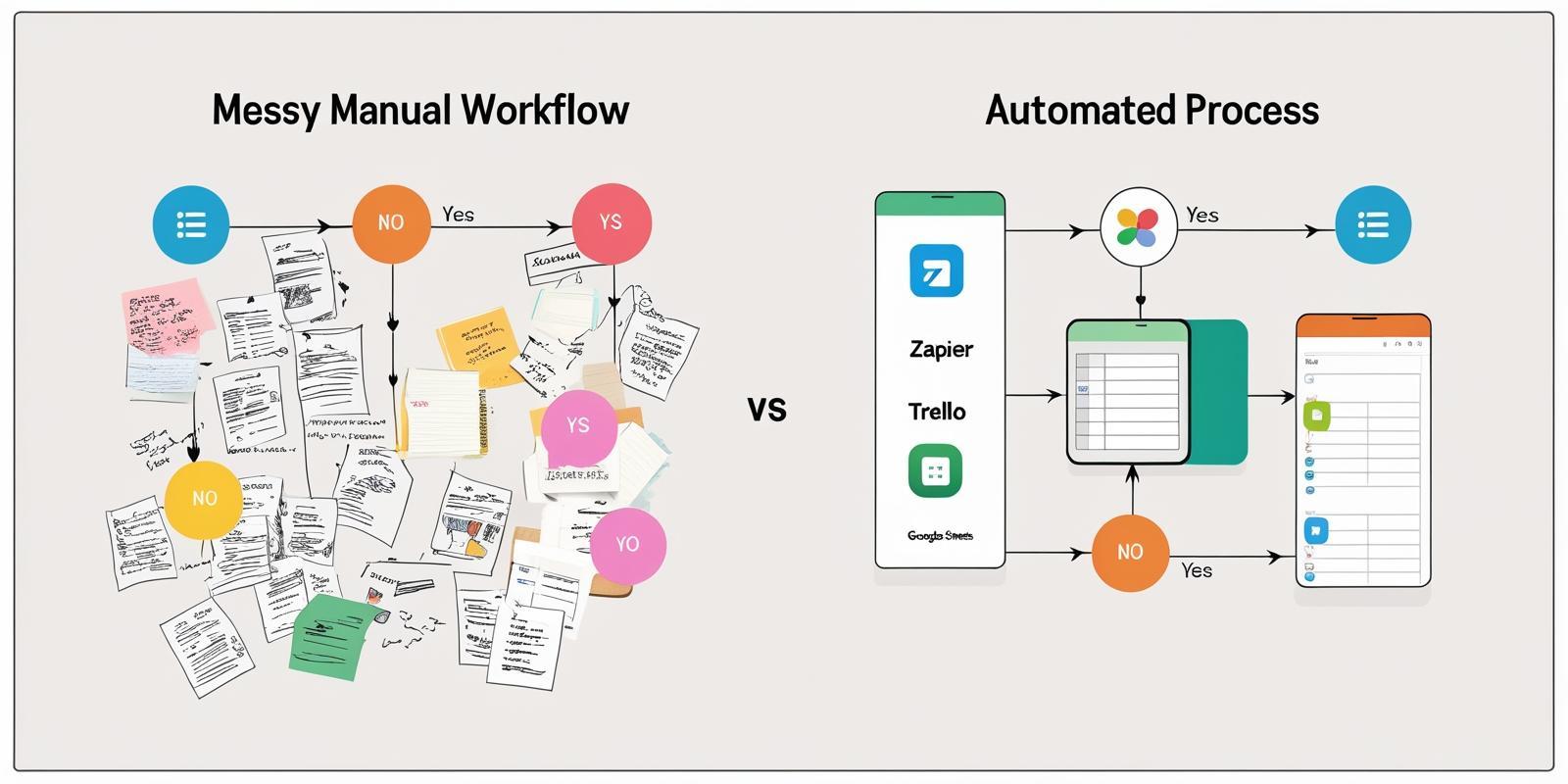
Every business has complex, multi-step processes that can be a nightmare when handled manually. Automation platforms allow users to connect tools, set triggers, and execute tasks seamlessly.
Whether it’s syncing leads from a website form to a CRM or automatically generating reports from data dashboards, automation reduces friction and error.
Why it matters: Simplified workflows mean fewer mistakes, faster execution, and better collaboration between teams.
Popular Use-Cases:
- Automating lead follow-ups via email
- Scheduling meetings based on availability
- Sending real-time alerts for system errors
7. Easy to Learn, Easy to Implement

The best part? You don’t need a computer science degree to get started. Thanks to no-code and low-code platforms, automation is now accessible to everyone. Tools like Zapier, Make (Integromat), and Microsoft Power Automate allow users to create automations through drag-and-drop interfaces.
Online courses, tutorials, and certifications make it easy to learn the basics within a matter of weeks. With real-world use cases and project-based learning, implementation becomes intuitive.
Why it matters: The barrier to entry is low, but the returns are high. A small investment in learning yields massive operational benefits.
Learning Tips:
- Start with small projects (e.g., automating daily reports)
- Join automation communities on Reddit or Discord
- Follow tutorials with free tool access

8. Future-Proof Your Business or Freelance Career

If you’re a freelancer or entrepreneur, automation is your secret weapon. You can automate lead generation, follow-ups, social media posting, billing, and more—all without hiring extra hands.
This means lower costs, consistent output, and the ability to scale. Whether you’re managing a client-based business or a product-based startup, automation tools give you superpowers.
Why it matters: With automation, you don’t work harder—you work smarter. Your business becomes scalable and sustainable with fewer resources.
Example: A freelance virtual assistant uses automation to manage 15 clients simultaneously, without missing a beat.
9. Great ROI from Learning a High-Income Skill

Business automation is not just a useful skill—it’s a high-income skill. Professionals in automation roles earn extraordinarily well due to the value they bring. Plus, many businesses are willing to invest heavily in training or hiring automation experts because of the cost savings they deliver.
Courses in business automation offer certifications, project-based learning, and mentorship, making them well worth the investment.
Why it matters: Unlike generic courses, automation training equips you with real skills that pay for themselves many times over.
ROI Insight: The average salary increase after completing a certified automation course is 22%, with most learners seeing returns within 3–6 months.
Enroll Now and Automate Your Future

Take the First Step: Join Our "Business Process with Automation" Course by Bisjhintus!
Learn to streamline operations, boost productivity, and gain job-ready skills with hands-on training.
✅ Real-world projects
✅ Expert mentorship
✅ Certificate of completion
✅ Lifetime access to course materials
Way Forward
The world is moving fast, and those who can leverage technology to work smarter will lead the way. Business automation is not a passing trend—it’s the foundation of modern work. Learning how to automate processes gives you an edge in virtually any role or industry.
Whether you're aiming to boost your career, grow your business, or simply stay ahead of the curve, business automation is the skill you can't afford to ignore in 2025.
Automation not only empowers individuals and organizations but also ensures resilience in uncertain times. Start learning today and build a future where you control systems, not the other way around. Remember: “The future belongs to those who automate it.”
FAQs – Your Questions Answered
Q1: What is Business Process Automation (BPA)?
A: BPA is the use of technology to automate repetitive, rule-based tasks in business processes, thereby increasing efficiency and reducing errors.
Q2: Do I need coding experience to learn automation?
A: No. Many modern platforms offer no-code or low-code interfaces suitable for non-technical users.
Q3: How long does it take to become proficient in automation?
A: With the right course, you can begin creating simple automations within a few weeks and master more advanced workflows in 2–3 months.
Q4: Which industries use automation the most?
A: Automation is heavily used in finance, e-commerce, healthcare, HR, IT, and customer service.
Q5: What tools should beginners start with?
A: Zapier, Make (Integromat), Airtable Automations, and Microsoft Power Automate are great beginner-friendly tools.
Q6: Can automation help remote teams?
A: Absolutely. Automation streamlines communication, scheduling, and task management—critical for distributed teams.
Written By
Critical Legal Writer Intern at BISJHINTUS, English Honours (Gold Medalist) / LL.B.

Designed By
UI/UX Designer at BISJHINTUS

Share this post:
Leave a comment
Your email address will not be published. Required fields are marked *
Write a Review
Related Posts

Explore a detailed comparison of AI tools vs. human workers in 2025. Learn their differences, streng...

How to automate your business in 2025? Discover top tools, strategies, and tips to streamline your o...
