


Comparison Between Traditional and Modern Teaching Methods in 2025: What Works Best?
Explore the key differences between traditional and modern teaching methods in 2025. Learn what works best for student engagement, outcomes, and the future of education.

Table of Content
-
Evolution of Teaching: From Chalkboards to Cloud-Based Learning
-
Key Characteristics of Traditional Teaching Methods
-
Defining Modern Teaching in the 21st Century
-
Comparative Analysis: Traditional vs Modern Methods
-
Impact on Student Engagement and Learning Outcomes
-
Challenges and Misconceptions of Both Approaches
-
Finding the Balance: Blending Old Wisdom with New Tools
-
Ready to Evolve? Join the 21st Century Educator Course
-
Frequently Asked Questions (FAQs)

Evolution of Teaching: From Chalkboards to Cloud-Based Learning
Education has always been a reflection of its time. From oral traditions and scrolls to textbooks and projectors, teaching methods have consistently evolved with society. But 2025 marks a pivotal transformation—not merely in tools, but in mindset.
In the past, classrooms were defined by authority, structure, and content memorization. Now, they are interactive, fluid, and learner-driven. This evolution isn’t just technological—it’s pedagogical. While traditional methods emphasized obedience and information retention, modern approaches prioritize creativity, collaboration, and critical thinking.
Yet, it’s not about choosing one side over the other. The smartest educators in 2025 are those who understand the strengths and weaknesses of both models and apply them strategically. To understand what works best, we must first define both ends of the spectrum—and see how they stand up against each other in today’s educational landscape.
1. Key Characteristics of Traditional Teaching Methods
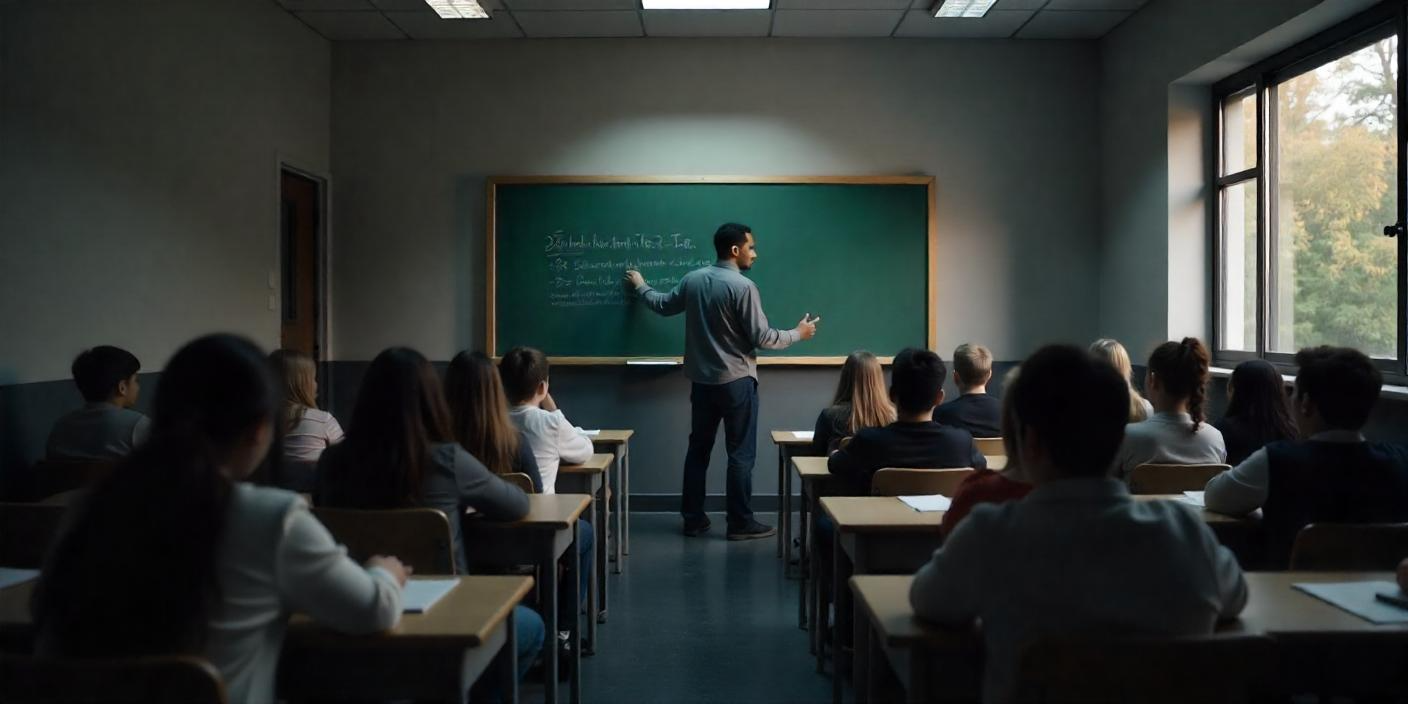
Traditional teaching refers to the teacher-centered approach that has long dominated formal education. This method emphasizes direct instruction, structured curriculum, and standardized assessment.
Defining Features:
- Lecture-Based Instruction: Teacher delivers knowledge, students passively receive.
- Fixed Curriculum: Lessons follow a prescribed syllabus with little flexibility.
- Standardized Testing: Learning measured through exams and grades.
- Physical Classrooms: Learning happens in a controlled environment, usually within four walls.
- Emphasis on Discipline and Routine: Rigid schedules, rules, and expectations.
Strengths of Traditional Teaching:
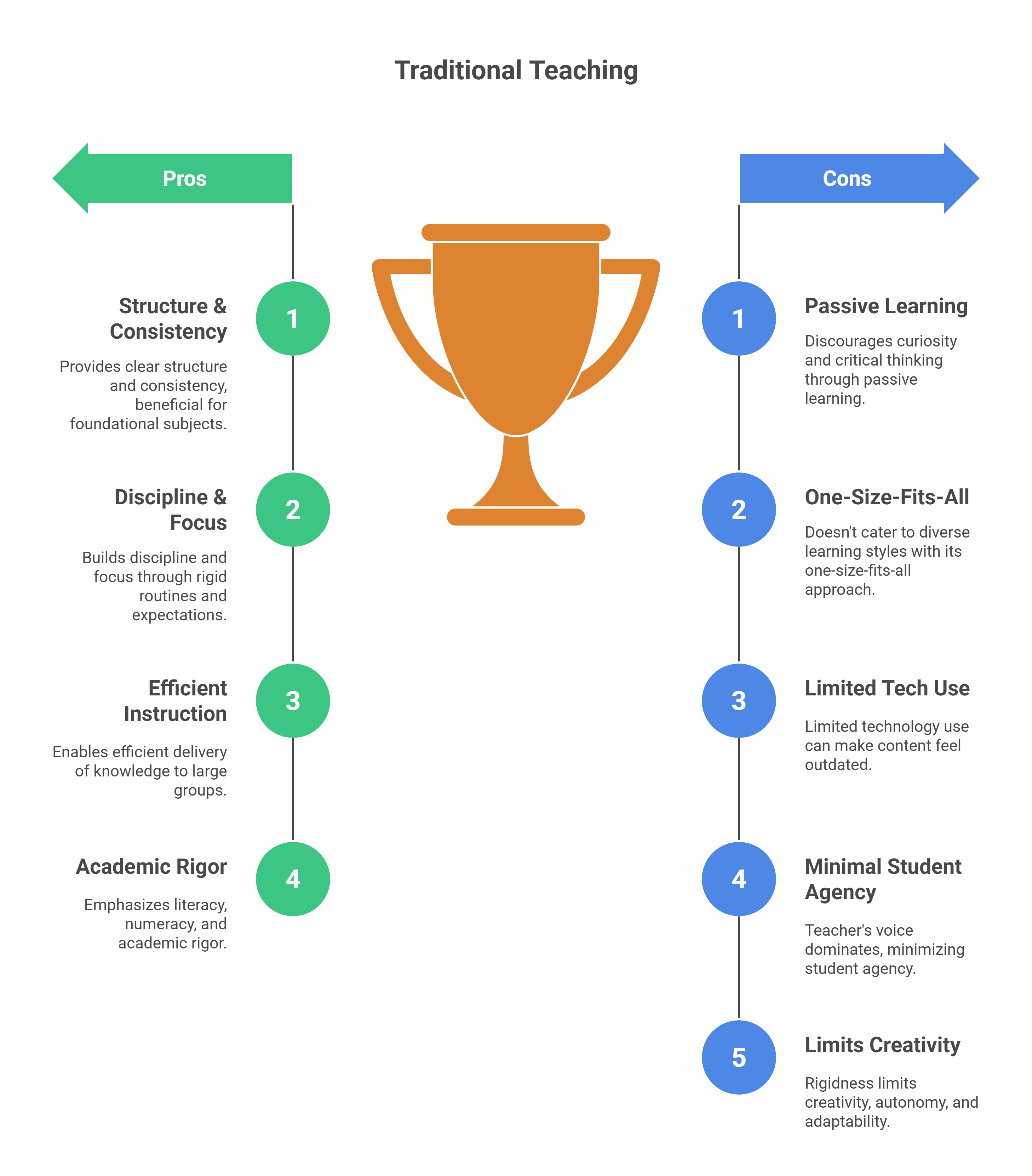
- Provides structure and consistency, especially for foundational subjects.
- Builds discipline and focus through routine.
- Enables whole-class instruction, allowing for efficient delivery to large groups.
- Strong emphasis on literacy, numeracy, and academic rigor.
Limitations:
- Passive learning discourages curiosity and critical thinking.
- One-size-fits-all approach doesn't cater to diverse learning styles.
- Limited use of technology can make content feel outdated.
- Teacher’s voice dominates; student agency is minimal.
Traditional teaching isn't obsolete—but its rigidness can limit creativity, autonomy, and adaptability, which are essential in today’s world.
2. Defining Modern Teaching in the 21st Century

Modern teaching in 2025 is shaped by technology, flexibility, and student-centered learning. It focuses not only on delivering knowledge but on creating experiences that empower students to explore, collaborate, and apply what they learn.
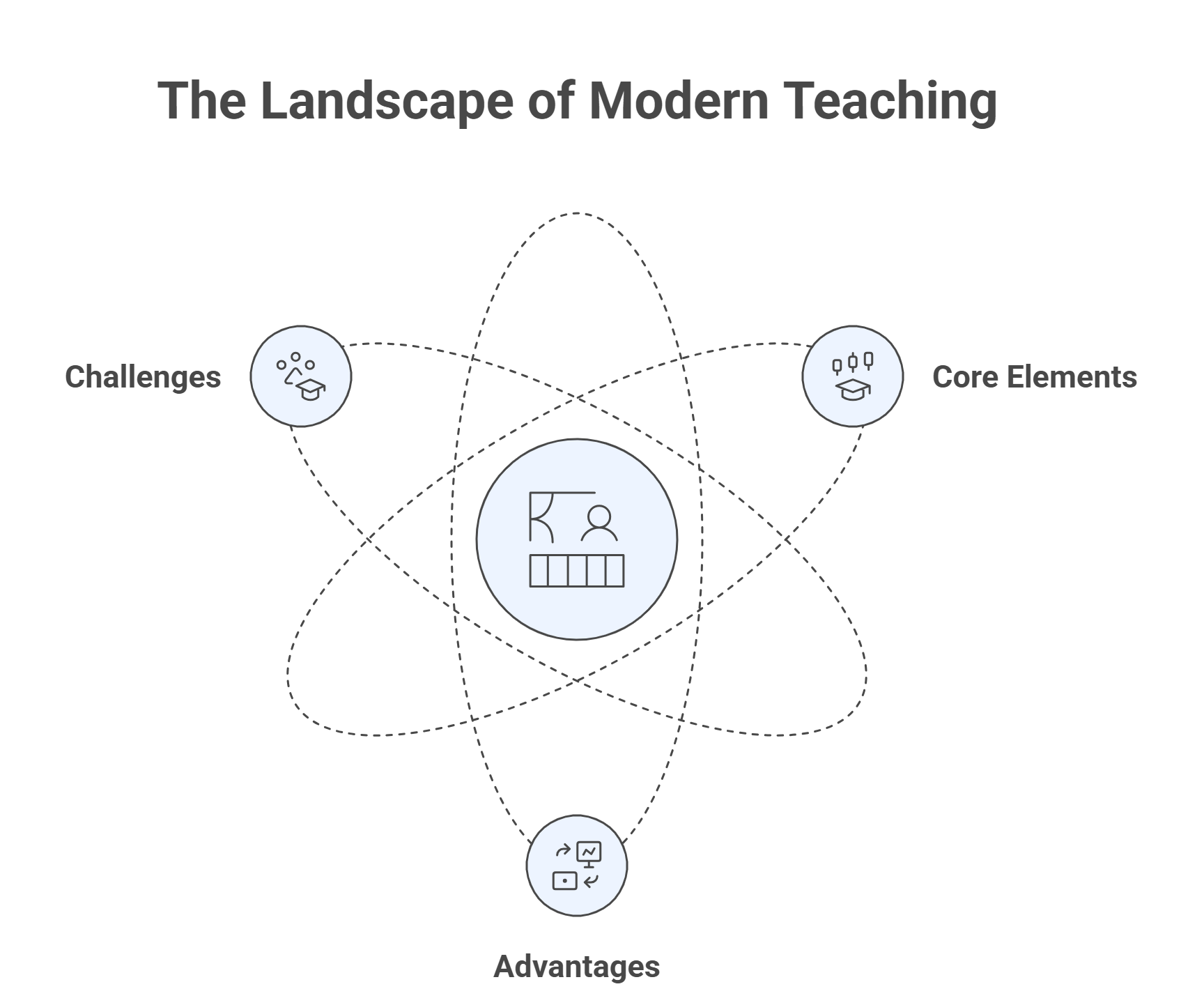
Core Elements of Modern Teaching:
- Interactive & Tech-Enabled: Use of digital platforms, AI tools, virtual simulations.
- Flexible Curriculum: Lessons can adapt based on student progress and interest.
- Active Learning: Emphasis on discussions, group work, problem-solving, projects.
- Hybrid/Blended Learning: Combines online and in-person learning.
- Competency-Based Progression: Students advance based on mastery, not time.
Advantages of Modern Methods:
- Personalization: Tech allows tailoring content to individual learning needs.
- Engagement: Interactive media, gamification, and storytelling keep learners invested.
- Collaboration & Creativity: Modern classrooms foster peer learning, ideation, and experimentation.
- Real-World Relevance: Students learn to solve problems, not just recall facts.
Challenges:
- Over-reliance on technology may widen the digital divide.
- Teachers require continuous training to keep up with tools.
- Lack of structure may affect time management and discipline in some students.
- Requires adaptive assessment models, not yet fully standardized globally.
Modern teaching is dynamic—but it requires thoughtful execution to avoid becoming chaotic or superficial.
3. Comparative Analysis: Traditional vs Modern Methods
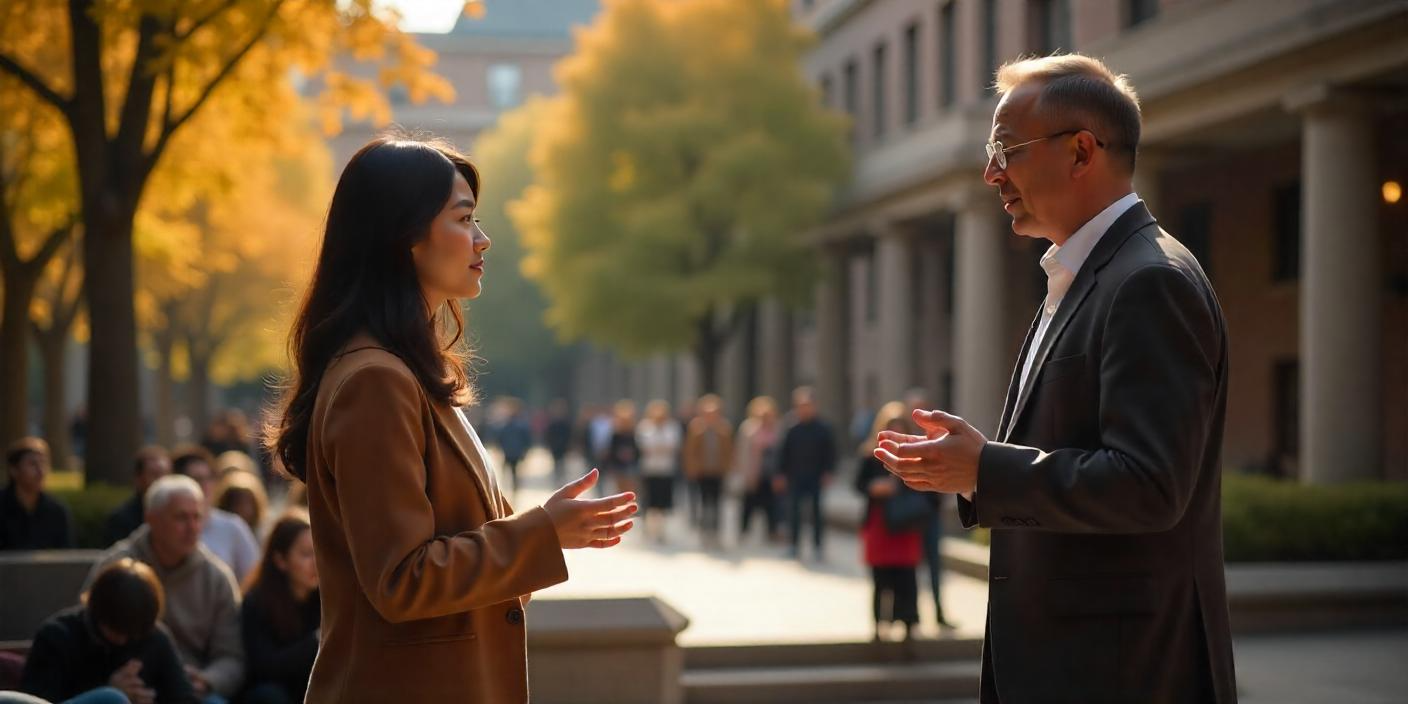
Let’s break down the key differences between traditional and modern teaching through a comparative lens.
Criteria | Traditional Teaching | Modern Teaching |
Instruction Style | Teacher-centered | Student-centered |
Learning Environment | Physical classroom | Physical + Virtual (hybrid) |
Technology Use | Minimal | Integral |
Assessment | Standardized tests | Formative + personalized feedback |
Pace | Uniform for all | Flexible & self-paced |
Content Delivery | Lectures, textbooks | Videos, simulations, apps |
Student Role | Passive receiver | Active participant |
Teacher's Role | Authority & expert | Facilitator & guide |
Adaptability | Low | High |
Goal | Knowledge transmission | Skill development & application |
Each model brings unique strengths. While traditional teaching provides discipline and clarity, modern methods enable agency and relevance. The key isn’t to reject one for the other—it’s about strategic integration.
4. Impact on Student Engagement and Learning Outcomes

Ultimately, the success of a teaching method lies in its impact on students. In 2025, learners face a world that demands not just knowledge, but adaptability, digital fluency, and emotional intelligence.
How Traditional Methods Affect Engagement:
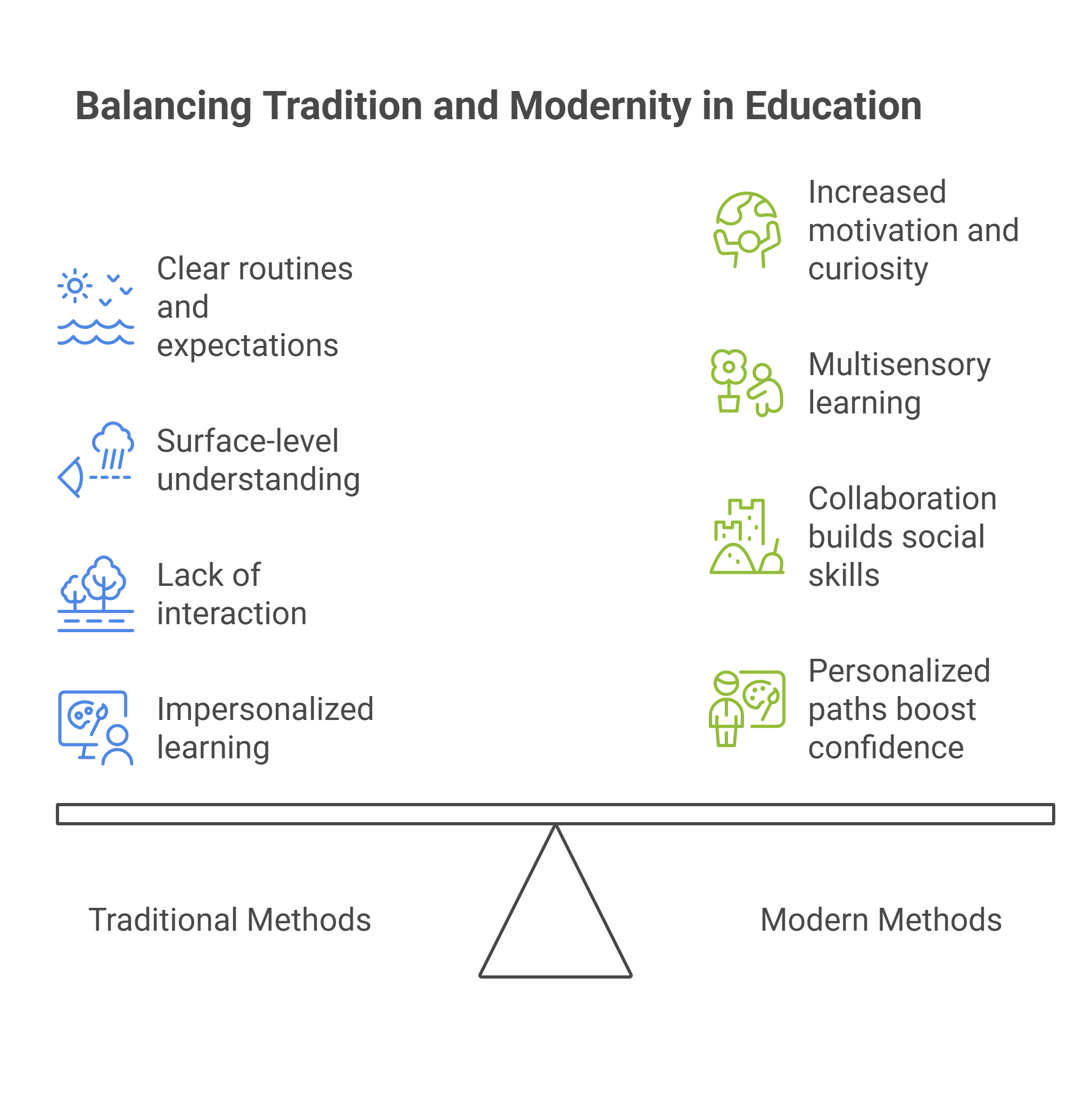
- Some students feel secure in clear routines and expectations.
- Others may disengage due to lack of creativity, interaction, or personalization.
- Over-reliance on memorization leads to surface-level understanding.
How Modern Methods Improve Learning Outcomes:
- Increased motivation and curiosity through active involvement.
- Better retention due to multisensory learning and real-world applications.
- Collaboration builds social skills, empathy, and teamwork.
- Personalized paths boost self-esteem and confidence in learners.
What Research in 2025 Shows:
Studies reveal that blended and personalized approaches outperform purely traditional models, especially when paired with high-quality teaching. But learners still benefit from structured guidance, especially in early developmental stages.
The conclusion? Balance is essential. Educators who combine the discipline of tradition with the engagement of modern tools achieve the best results.
5. Challenges and Misconceptions of Both Approaches
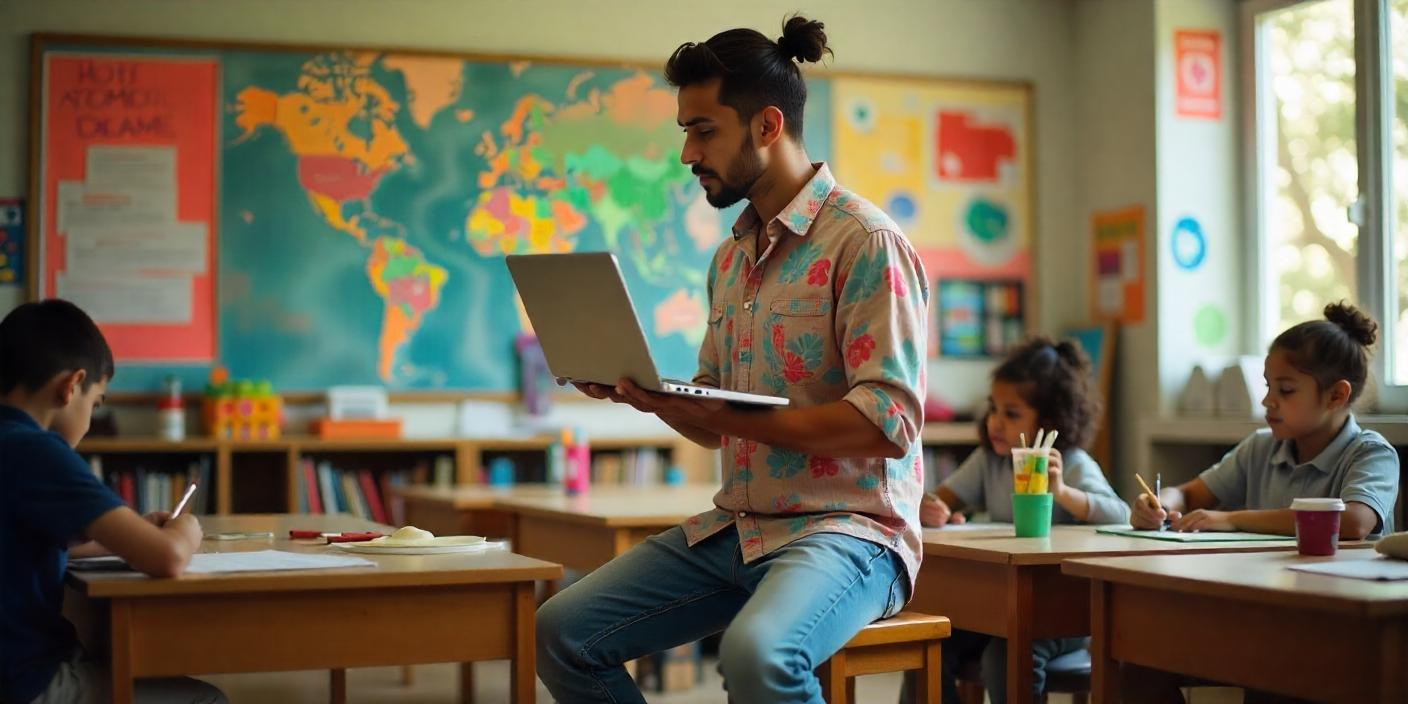
It’s easy to idealize the new or cling to the old, but both traditional and modern teaching come with pitfalls and myths that educators must overcome.
Common Misconceptions:
- "Modern teaching is all screen time."
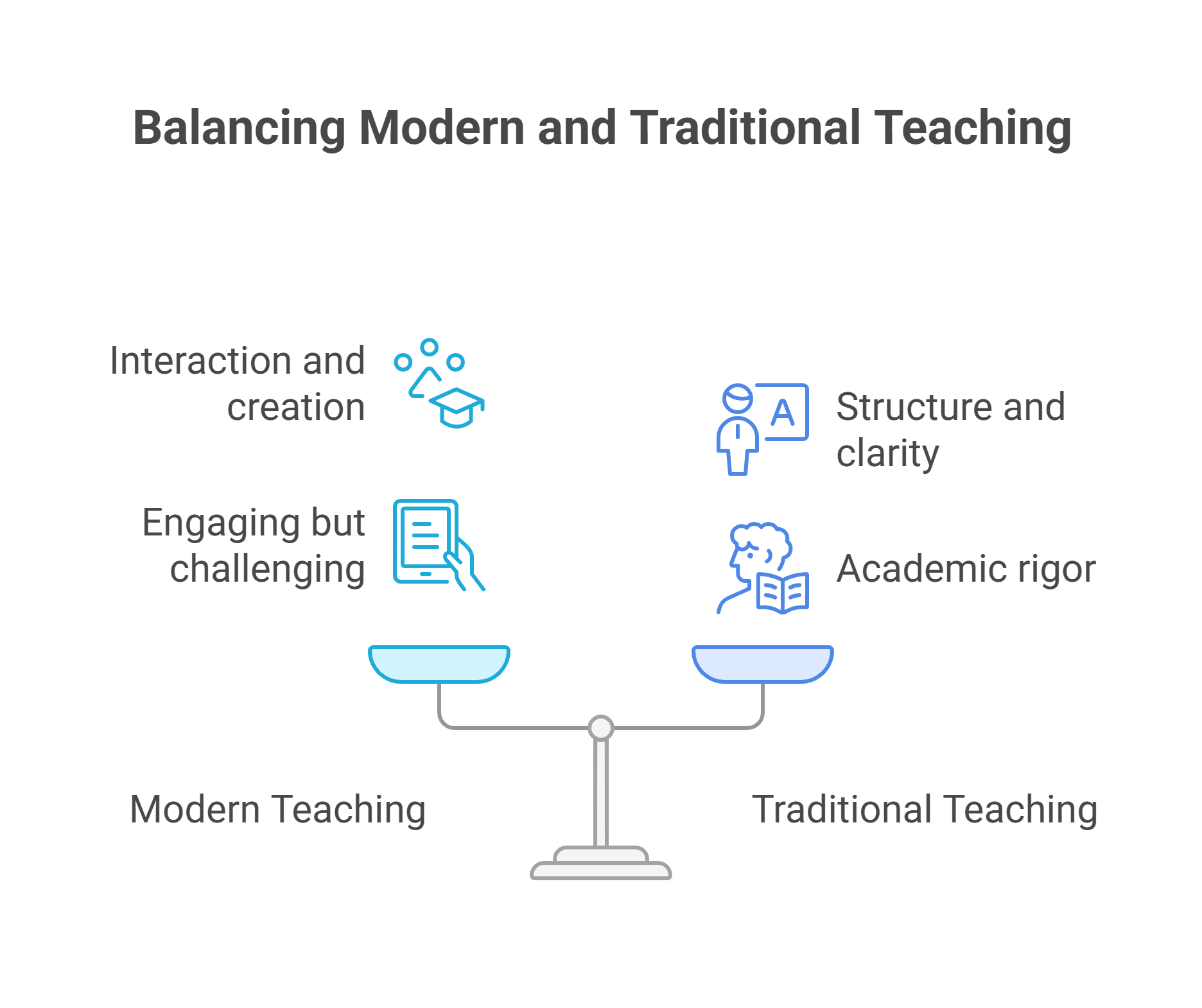
In truth, it emphasizes interaction and creation, not passive tech use.
- "Traditional methods are outdated."
Not entirely. They still offer valuable structure, clarity, and academic rigor.
- "Tech replaces the teacher."
False. Technology is a tool; the educator remains the heart of learning.
- "Modern tools make learning easier."
Not always. They make learning more engaging, but not less challenging.
Key Challenges for Teachers:
- Training gaps: Many educators need support to integrate tech meaningfully.
- Resource inequality: Not all schools have equal access to devices or Wi-Fi.
- Curriculum alignment: Striking the right balance between standards and innovation is tough.
- Time management: Planning tech-rich, interactive lessons takes more prep time.
Awareness of these challenges enables schools and educators to proactively design solutions, including professional development, flexible policies, and inclusive infrastructure.
6. Finding the Balance: Blending Old Wisdom with New Tools
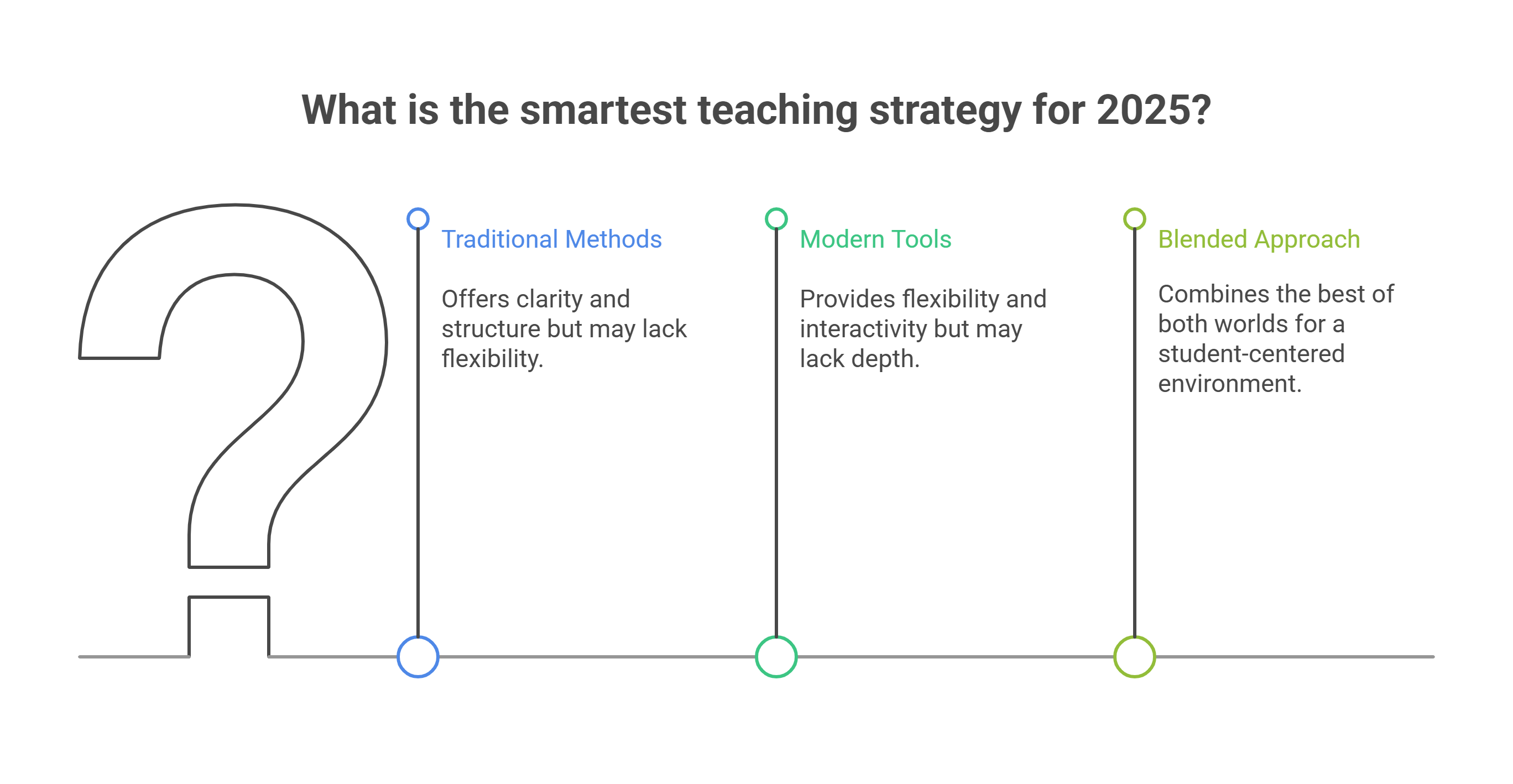
The smartest teaching strategy in 2025 isn’t choosing sides—it’s synthesis.
A blended approach combines:
- The clarity and structure of traditional methods
- With the flexibility and interactivity of modern tools
- To create a student-centered, outcome-driven learning environment
What Blended Teaching Looks Like:
- Start with a mini-lecture to introduce core concepts
- Use videos or simulations to demonstrate application
- Assign collaborative projects or quizzes via LMS
- Provide formative feedback using AI-assisted tools
- Encourage reflection and discussion both online and offline
Tips for Educators:
- Don’t fear experimentation—test new tools one at a time
- Focus on learning goals, not tech trends
- Create tech-light days to avoid burnout
- Keep parents and students informed about new methods
Blending the best of both worlds allows educators to honor tradition while embracing innovation—the true hallmark of a 21st century teacher.
Ready to Evolve? Join the 21st Century Educator Course

Want to move beyond theory and truly transform your teaching?
Enroll in our comprehensive course:
“21st Century Educator: Methods, Tools & Mindset – 2025 Edition.”
Why This Course Matters:
- Learn to apply both traditional and modern methods effectively
- Gain hands-on experience with edtech tools used in top schools worldwide
- Get strategies to create inclusive, personalized, and high-impact lessons
- Learn from expert educators and join a community of changemakers
Whether you’re a classroom teacher, coach, or institutional leader, this course equips you to lead with confidence in a rapidly changing educational world.
Your students deserve the best. And so do you.
Frequently Asked Questions (FAQs)
- Can traditional teaching still be effective in 2025?
Yes—especially when used for foundational knowledge and in structured subjects. The key is knowing when and how to apply it.
- Do I need to abandon my old methods to adopt modern teaching?
Not at all. A blended approach that uses both is often the most effective strategy.
- Is technology always better for student engagement?
Tech enhances engagement when used meaningfully, but overuse or poor implementation can be counterproductive.
- How do I transition from traditional to modern teaching?
Start small—incorporate one new tool or strategy at a time. The 21st Century Educator course offers guided support for this.
Are modern methods suitable for all subjects?
Yes—with proper adaptation. Even traditional subjects like math or history can be made more interactive and relevant using modern methods.
Written By
Critical Legal Writer Intern at BISJHINTUS, English Honours (Gold Medalist) / LL.B.

Designed By
UI/UX Designer at BISJHINTUS

Share this post:
Leave a comment
Your email address will not be published. Required fields are marked *
Write a Review
Related Posts

Learn how to use cutting-edge technology to revolutionize your teaching methods in 2025. Discover pr...
Discover the top 5 essential tools every modern educator must use in 2025 to stay relevant, effectiv...
