


How to Use Technology to Transform Your Teaching in 2025
Learn how to use cutting-edge technology to revolutionize your teaching methods in 2025. Discover practical strategies, tools, and insights for every 21st century educator.

Table of Content
-
Teaching in 2025: A New Era of Possibilities
-
Embracing Digital Tools for Lesson Planning & Delivery
-
Leveraging AI for Personalized Student Learning
-
Enhancing Engagement with Multimedia & Interactive Content
-
Using Data & Analytics to Inform Instruction
-
Building Inclusive, Collaborative Digital Learning Environments
-
Ready to Transform? Enroll in the 21st Century Educator Course
-
Frequently Asked Questions (FAQs)

Teaching in 2025: A New Era of Possibilities
The education system in 2025 looks dramatically different from a decade ago. Technology is no longer a supplementary add-on; it is the core driver of instruction, engagement, and student success. As devices, platforms, and data become more accessible, educators are expected to integrate technology seamlessly into every aspect of teaching.
But transformation isn't just about using gadgets. It's about reimagining how learning happens. In a post-pandemic world that embraced digital learning out of necessity, teachers have moved from survival mode to innovation mode. They now use technology not just to replicate the physical classroom, but to enhance, personalize, and expand learning beyond traditional limits.
From smart classrooms to AI-driven feedback, today's educators are stepping into roles as designers of learning experiences, not just deliverers of content. Technology in 2025 is about empowerment—of both teachers and students.
However, adopting tech doesn't mean chasing trends blindly. It's about choosing the right tools, aligned with your pedagogy and your learners' needs. This guide walks you through the most impactful ways to use technology to transform your teaching in 2025.
1. Embracing Digital Tools for Lesson Planning & Delivery
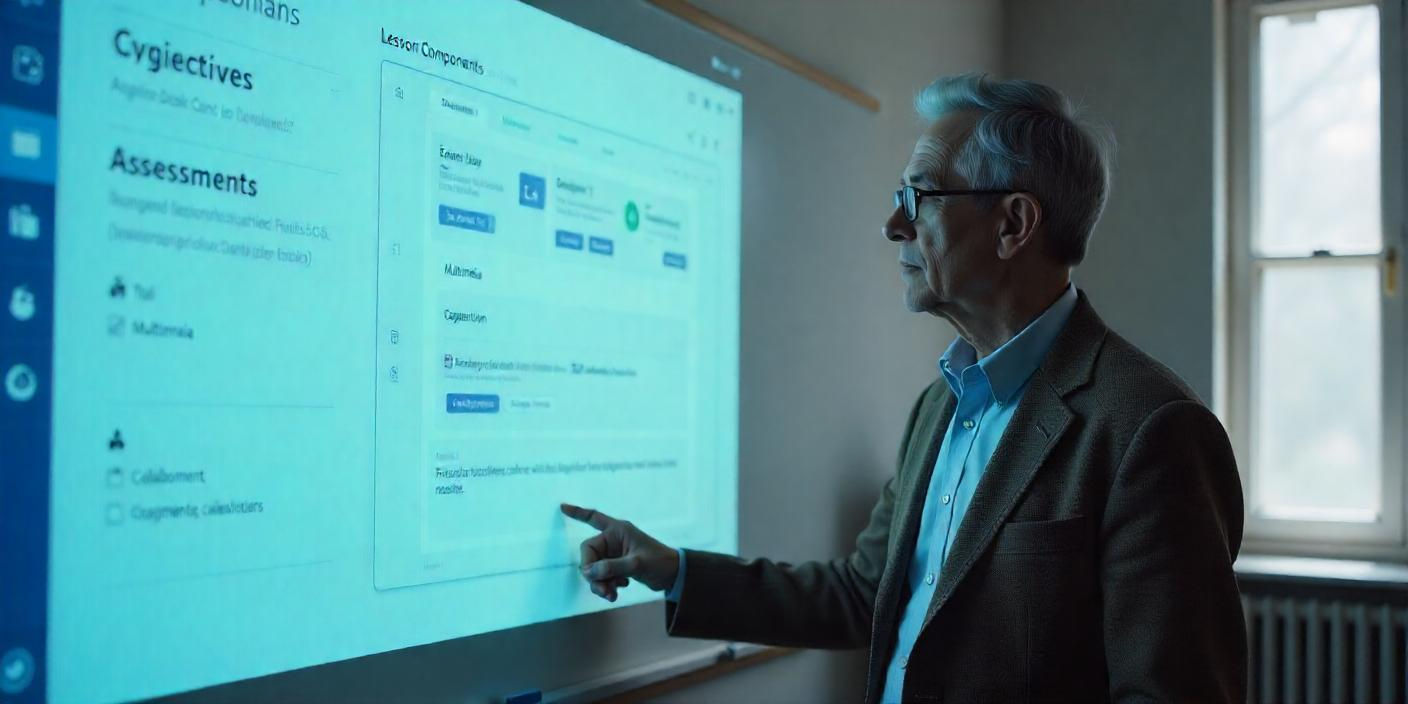
Lesson planning has moved far beyond notebooks and PowerPoints. In 2025, educators use digital tools to design flexible, media-rich, and data-informed lesson plans that adapt to learner needs in real time.
Key Features of Modern Digital Planning Tools:
- Templates & Collaboration: Plan lessons with drag-and-drop templates, collaborate with co-teachers in real time.
- Standards Alignment: Easily map your lesson objectives to curriculum or learning standards.
- Interactive Integration: Embed quizzes, polls, or videos directly into plans.
- Real-Time Adjustments: Based on learner data or class mood, adapt lesson flow on the spot.
Top Tools for Digital Lesson Planning:
Tool | Use Case | Notable Features |
Planboard | Daily/weekly planning | Standards alignment, intuitive design |
Google Workspace for Education | Docs, Slides, Forms | Collaboration, integrations |
BookWidgets | Interactive lessons | Auto-graded exercises, multimedia |
Eduflow | Course modules & assessments | Feedback loops, peer review |
But tools alone don't lead to transformation. It's how you use them to design experiences rather than just deliver content. A well-planned tech-enabled lesson allows learners to explore, ask questions, and reflect—with agency and autonomy.
2. Leveraging AI for Personalized Student Learning

Artificial Intelligence is revolutionizing classrooms by enabling deep personalization—something even the best human teachers struggle to scale on their own.
AI in 2025 goes beyond automation. It interprets student behavior, identifies gaps, adapts content, and even predicts learning outcomes. With AI, educators can address diverse learning styles and speeds, ensuring no student is left behind.
What AI Can Do in the Classroom:
- Adaptive Learning: Content changes based on student responses and mastery.
- Predictive Analytics: Identifies students at risk and suggests interventions.
- Instant Feedback: On assignments, writing, or spoken language.
- Chatbots & AI Assistants: Provide 24/7 help for students and answer routine queries.
AI-Powered Tools Making a Difference:
Tool | Function | Impact |
Knewton Alta | Adaptive courseware | Personalized progression |
Querium | STEM tutoring with AI | Real-time coaching |
Gradescope | Automated grading | Saves time, improves fairness |
ChatGPT for Education | Question-answering, writing help | Encourages self-paced exploration |
When used ethically and responsibly, AI becomes a powerful teaching assistant—freeing educators to focus on empathy, motivation, and deeper learning.
3. Enhancing Engagement with Multimedia & Interactive Content

Passive consumption is out. Active learning is in. The classrooms of 2025 thrive on interactive, multimedia-rich content that draws learners in and makes them co-creators of knowledge.
Benefits of Multimedia Integration:
- Increased Attention Span: Visuals, animations, and sound stimulate engagement.
- Better Retention: Learners remember more through multisensory exposure.
- Real-World Relevance: Simulations and storytelling bridge theory and practice.
- Inclusive Learning: Videos with subtitles, audio for visual learners, and drag-and-drop games help all students.
Top Tools for Creating Interactive Content:
Tool | Format | Best Used For |
Edpuzzle | Video + Quizzes | Flipped classrooms, accountability |
Genially | Presentations & games | Visual storytelling |
ThingLink | Interactive images/videos | Exploratory learning |
Nearpod | Live/async lessons | Real-time polls, VR tours, activities |
Students don’t just watch videos—they click, answer, reflect, and engage. Educators who master these platforms move beyond lecturing to crafting interactive learning journeys.
4. Using Data & Analytics to Inform Instruction

Data isn’t just for administrators or tech teams. In 2025, every educator is a data-informed decision-maker.
With tech tools tracking student performance, participation, and engagement, teachers can now respond to real-time learning needs. The key is not the amount of data, but knowing how to interpret and act on it.
What Smart Data Tells You:
- Which students are struggling and why
- What content is effective or needs improvement
- When learners are most engaged or disengaged
- How to group students for peer learning
Tools That Simplify Learning Analytics:
Tool | Insights Provided |
ClassDojo | Engagement trends, behavior patterns |
Microsoft Insights | Student wellbeing & productivity |
Google Classroom Reports | Assignment progress, participation |
Learning Locker | xAPI data for deep learning analytics |
With these insights, educators can adjust pace, customize feedback, or scaffold learning—without waiting until final exams reveal a problem. In short, data empowers teachers to become proactive rather than reactive.
5. Building Inclusive, Collaborative Digital Learning Environments

True transformation in teaching happens when technology supports connection, inclusion, and equity.
In 2025, classrooms are diverse in every sense—cultural, linguistic, neurodiverse, and geographically distributed. Technology offers ways to bridge gaps and build inclusive communities where all students thrive.
Key Practices for Inclusive EdTech Use:
- Use captioned videos, screen readers, and language translation tools
- Design collaborative projects with tools like Google Jamboard or Padlet
- Offer multiple submission formats: video, audio, text
- Respect digital access limitations—offer downloadable content, offline options
Collaboration & Inclusion Tools:
Tool | Purpose |
Flip (formerly Flipgrid) | Video discussions |
Miro | Visual collaboration |
Padlet | Sharing ideas & resources |
Microsoft Immersive Reader | Accessibility support |
When tech is used to listen, empower, and connect, it transcends its function and becomes a tool of equity and empathy—the heart of 21st century teaching.
Ready to Transform? Enroll in the 21st Century Educator Course

If you’re excited to put all of these strategies into action, don’t stop here. Join the full course:
“21st Century Educator: Methods, Tools & Mindset – 2025 Edition.”
What You’ll Learn:
- Hands-on practice with all major edtech tools
- Guidance on developing a future-ready teaching mindset
- Step-by-step lesson planning in digital-first environments
- Strategies for inclusive, data-driven, student-centered teaching
- Certification to validate your growth and elevate your career
Whether you're a new teacher or a veteran educator ready to evolve, this course offers a complete blueprint for transforming your teaching in 2025 and beyond.
Don’t just teach. Lead. Learn. Transform.
Frequently Asked Questions (FAQs)
- Do I need advanced tech skills to use these tools?
No. Most tools are designed for ease of use and offer tutorials. The course helps simplify the tech for all levels.
- How do I know which tool is best for my classroom?
It depends on your goals—engagement, personalization, data, or inclusion. The course covers how to match tools to your needs.
- Can I use these strategies in low-resource settings?
Yes. Many tools offer offline access or mobile-friendly versions. Inclusivity is a key focus in the course.
- Will this course help me if I already use tech?
Absolutely. It helps refine your strategy, deepen your impact, and explore advanced tools you may not have tried.
Is certification included in the course?
Yes. Upon completion, you'll receive a verified certificate showcasing your expertise as a 21st century educator.
Written By
Critical Legal Writer Intern at BISJHINTUS, English Honours (Gold Medalist) / LL.B.

Designed By
UI/UX Designer at BISJHINTUS

Share this post:
Leave a comment
Your email address will not be published. Required fields are marked *
Write a Review
Related Posts
Explore the key differences between traditional and modern teaching methods in 2025. Learn what work...
Discover the top 5 essential tools every modern educator must use in 2025 to stay relevant, effectiv...
